Commentary: I tried shopping for new clothes for Chinese New Year. It went abysmally
SINGAPORE: With Chinese New year's day around the corner, tradition beckons those who gloat it to go shopping for apparel. A spanking new outfit, preferably incorporating lots of cherry, symbolises a fresh start to the new year's day.
So I did something that I haven't washed in about a twelvemonth: Become to the mall for the sole purpose of buying wearing apparel.
But as I sifted through rack after rack of wear, reality slowly set in. I didn't want to buy annihilation.
A pang of guilt hit too when I recalled the few brand new dresses tucked away in my wardrobe, reserved for a special occasion that never came after the pandemic struck.
I went dorsum domicile empty-handed.
READ: Commentary: Fresh COVID-19 restrictions are turning Chinese New Year into a social landmine for families
NEWFOUND DISINTEREST IN DRESSING UP
While ambling nearly the mall frantically, I noticed how stalwarts like Cotton On and Nike were bustling, while the dressier boutiques were emptier.
For the latter, a few shoppers were browsing the sales racks, but nobody was getting in line at the cashier.
It makes sense that nobody'southward really buying fancy clothes. Looking back on the few occasions I bought clothes last year, they've only been for functional needs: Bones, versatile pieces that can be worn at abode or outside, workout gear and comfortable sleepwear.
While this stripped down ensemble has been freeing, I had been looking forwards to Chinese New year, which for the women in my family is a time when nosotros can compliment each other on our new kebayas or advisedly curated outfits.
READ: Commentary: Chinese New year shouldn't exist the only time nosotros meet our extended family
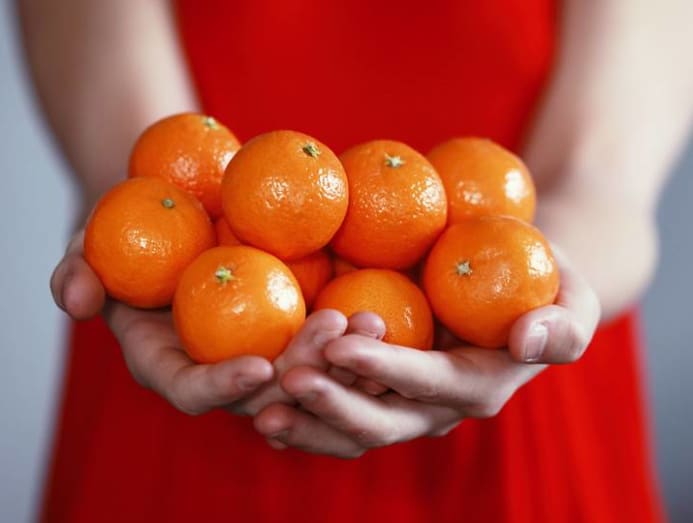
Just with the pandemic limiting how much visiting we can practice and the number of people we tin run across, my will to clothes up this yr has dried up.
It's not just these new restrictions – the wider COVID-xix angst has disrupted our relationship with wearing apparel. Our newfound disinterest in dressing up has been reflected in rock-bottom sales figures: In the The states, 2022 sales in clothing and accessories declined more a quarter compared to 2019, the steepest driblet beyond all retail sectors.
Too, clothes and footwear sales were also battered in Singapore. It all started during the circuit breaker from April seven to Jun 1, 2020, which was a peculiarly dire menstruum for retail.
In May 2020, year-on-year retail sales halved, the worst drib since records began in 1986. Apparel and footwear sales shrunk by almost xc per cent.
This trend likely won't allow upwardly. As COVID-19 continues to disrupt trade and travel worldwide, McKinsey predicts that global style sales in 2022 could remain up to 15 per cent lower than 2022 levels.
READ: Commentary: Missing the thrill of dressing up for work every bit a man
READ: Commentary: How trendsetting brand Topshop fell backside the times
Mode WAS IN CONSTANT OVERDRIVE
This collapse in retail has had huge implications for people and jobs.
Over the last year in Singapore, dear department store Robinson's bowed out, forth with clothing retailers Topshop and Esprit.
Part of it might be a long overdue correction, given the constant overdrive manner supply chains were in pre-coronavirus.
READ: Commentary: Robinsons shuttered for practiced. Does Singapore accept as well much retail space?
In 2018, the average consumer in the The states bought 68 pieces of clothing in a year, wearing each piece an average of seven times before tossing it out. A 2022 CNA survey revealed that the average Singaporean buys 34 pieces and throws out 27 per year.
Merely the free-fall of clothing sales take pummelled garment manufacturers and workers. As demand for clothing plummeted, retailers cancelled their orders, leaving clothing manufacturers in the lurch.
Bangladesh, the earth's second largest garment exporter, lost more than than United states$3 billion in cancelled payments. Over half of its 4 million-strong workforce was laid off, and hundreds of garment workers clashed with police throughout last twelvemonth at protests over outstanding wages.
With workers unpaid and unworn clothing piled high in warehouses, the pandemic has shown the fever pitch at which apparel used to be produced, consumed and discarded.
Sustainability advocates have long decried the overconsumption of clothes. According to the Un Environment Plan, as of 2018, the fashion industry emits x per cent of the world'southward carbon emissions, more than than international flights and maritime shipping combined (both sectors produce around ii per cent of global emissions each).
READ: Commentary: Following a T-shirt from cotton fiber field to landfill shows the true cost of fast fashion
READ: Commentary: Secondhand vesture sales are booming – and could be the respond to mode's sustainability crunch
OUT WITH THE OLD?
Yet, these trends do not spell the end of way.
According to Singaporean market researcher Blackbox, COVID-19 has led to the boom of e-commerce, with the average Southeast Asian consumer spending a third more on online goods.
Shopee, Singapore's virtually visited east-commerce site, saw an 82 per cent quarterly increase in web visits over June to Baronial 2020.
And permit'southward face up it. Fifty-fifty if the pandemic has killed off brick-and-mortar clothes retailers, we volition yet buy clothes, just maybe through our smartphones later being accustomed to getting all we want via e-commerce.
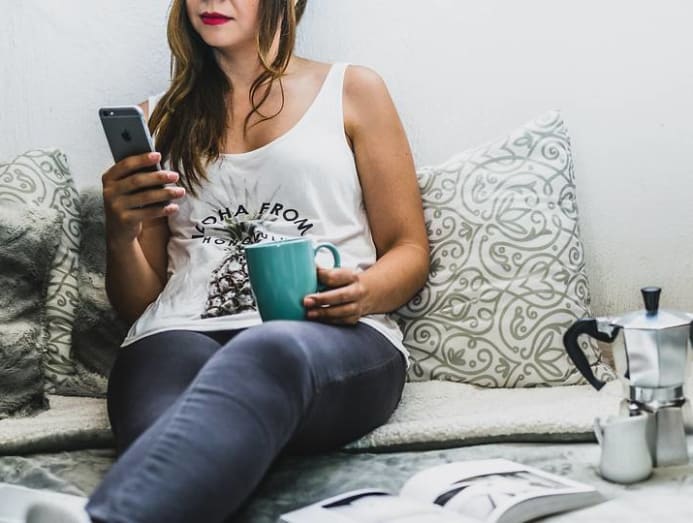
Brands know this and are responding. H&Yard announced it volition close hundreds of its stores worldwide, every bit part of its broader strategy to shift its operations online.
But what the pandemic has provoked may be a deeper, unseen change in consumer priorities and consciousness over consumption that will reshape retail in larger ways.
Fifty-four per cent of Southeast Asian consumers want to purchase from brands with sustainable practices, while 43 per cent of Singaporean consumers are deliberately choosing to practise so, according to a UOB survey in Dec 2020.
READ: Commentary: Why luxury brands are weathering the pandemic better than other retailers
Sustainable fashion had piqued my interest besides, and when I was looking for tops that were presentable for work Zoom calls yet comfy enough for pottering nearly the firm, I chose to buy my first "sustainable" nuts: A cap-sleeved shirt and a drapey tank meridian.
They're made of lyocell, a bamboo-based fibre that has a lower carbon and h2o footprint compared to cotton. The brand also strives for transparency, and provides data on the factory it works with and its workers' salaries.
The cost tag was eye-watering, but with all the money I saved from dining out less ofttimes, and of class, ownership less clothes, my wallet didn't hurt also much.
Information technology helps also that those tops are unbelievably soft and breathable.
READ: Commentary: Life afterward COVID-nineteen – manner'south excesses curbed, shopping habits forever changed
The thrill of buying new clothes is undeniable. Even equally habiliment sales remain depressed, COVID-19 won't extinguish our want to look skillful and to experiment with new things.
But that want in me just wasn't strong enough to fork out for new clothes this Chinese New year. As long every bit work from abode remains the norm, loungewear and athleisure will be my go-to.
Maybe what we really should be maxim bye to are apparel with buttons and collars, while we usher in the new year with oversized tops and drawstring pants.
Listen to communicable diseases professors break down the latest COVID-19 restrictions and how they might be carried out during Chinese New Year on CNA's Heart of the Matter podcast:
Erin Low is research writer at the CNA Commentary section.
Source: https://cnalifestyle.channelnewsasia.com/commentary/commentary-i-tried-shopping-new-clothes-chinese-new-year-it-went-abysmally-295241
0 Response to "Commentary: I tried shopping for new clothes for Chinese New Year. It went abysmally"
Post a Comment